RESEARCH PROJECTS
From archaeological and fire research to experimental ecological restoration, the Amah Mutsun Land Trust is using science to help bring indigenous stewardship back to the lands of the Amah Mutsun. Through a range of projects spread throughout the Tribe’s ancestral territory, we have forged valued partnerships with conservation organizations, land managers, and research institutions to shed light on the historical conditions of the California landscape and to better understand how cultural and biological resources can be best enhanced and protected today. The diversity of our work testifies to the breadth and importance of indigenous ecological knowledge. Learn more about our current projects below.
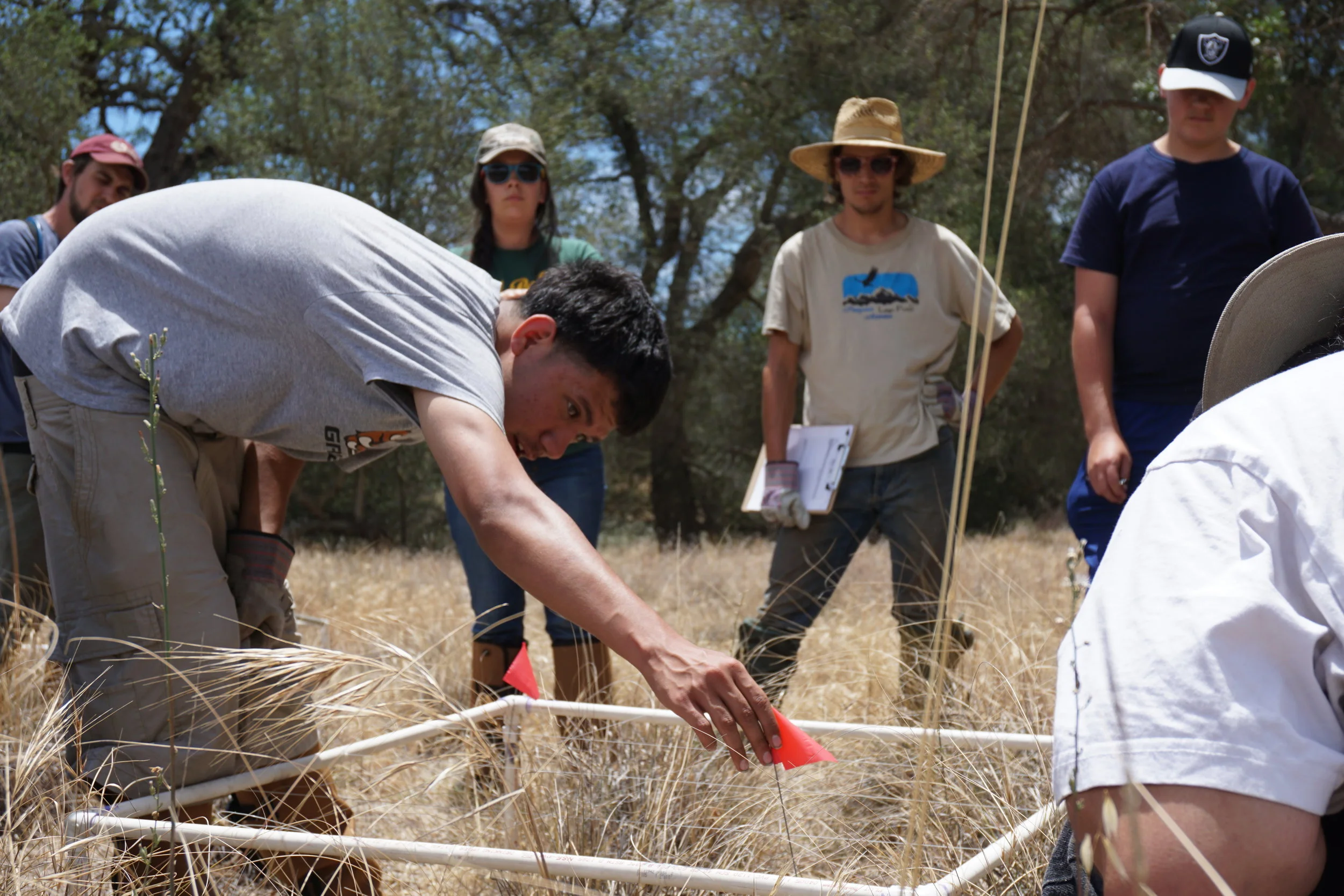
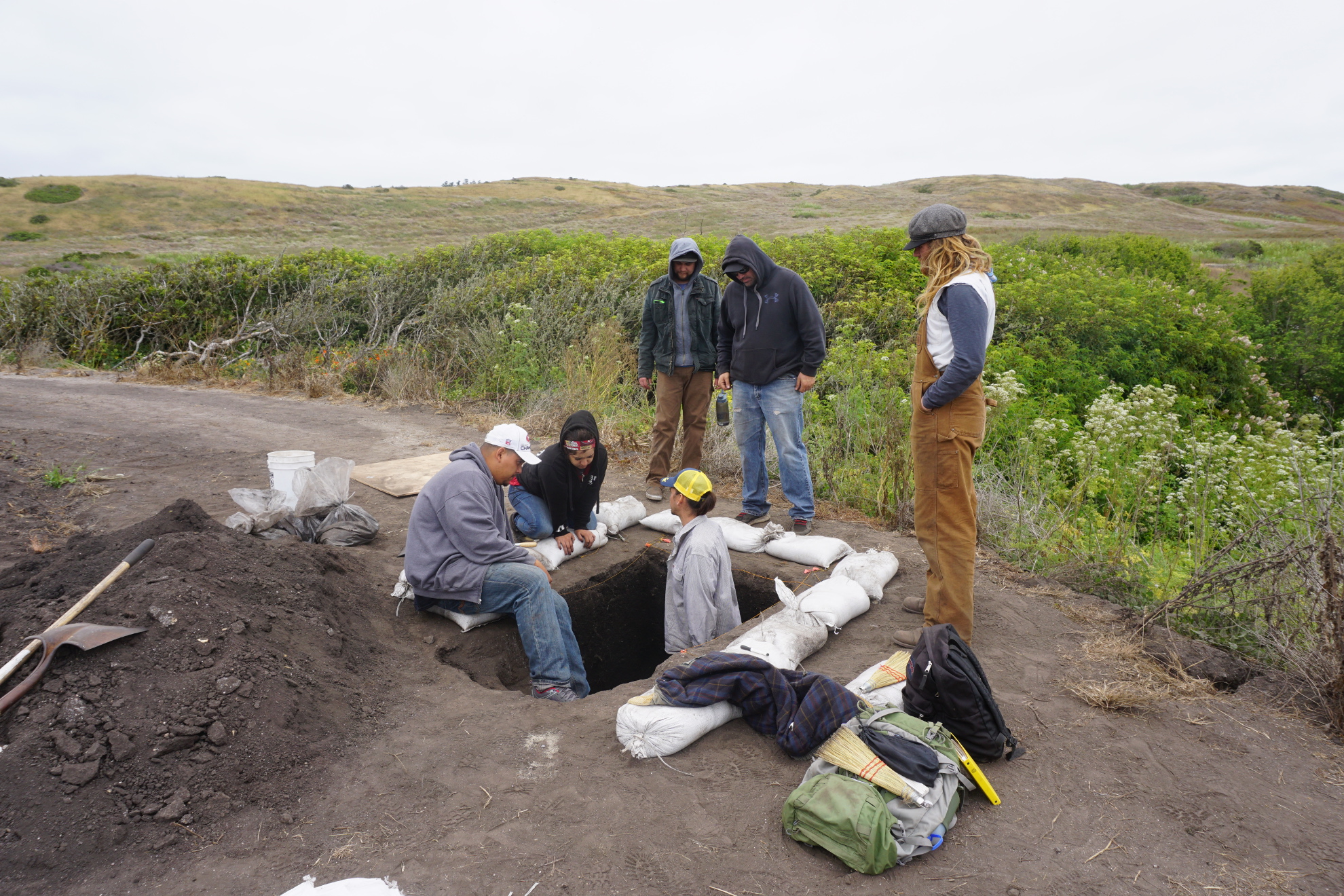
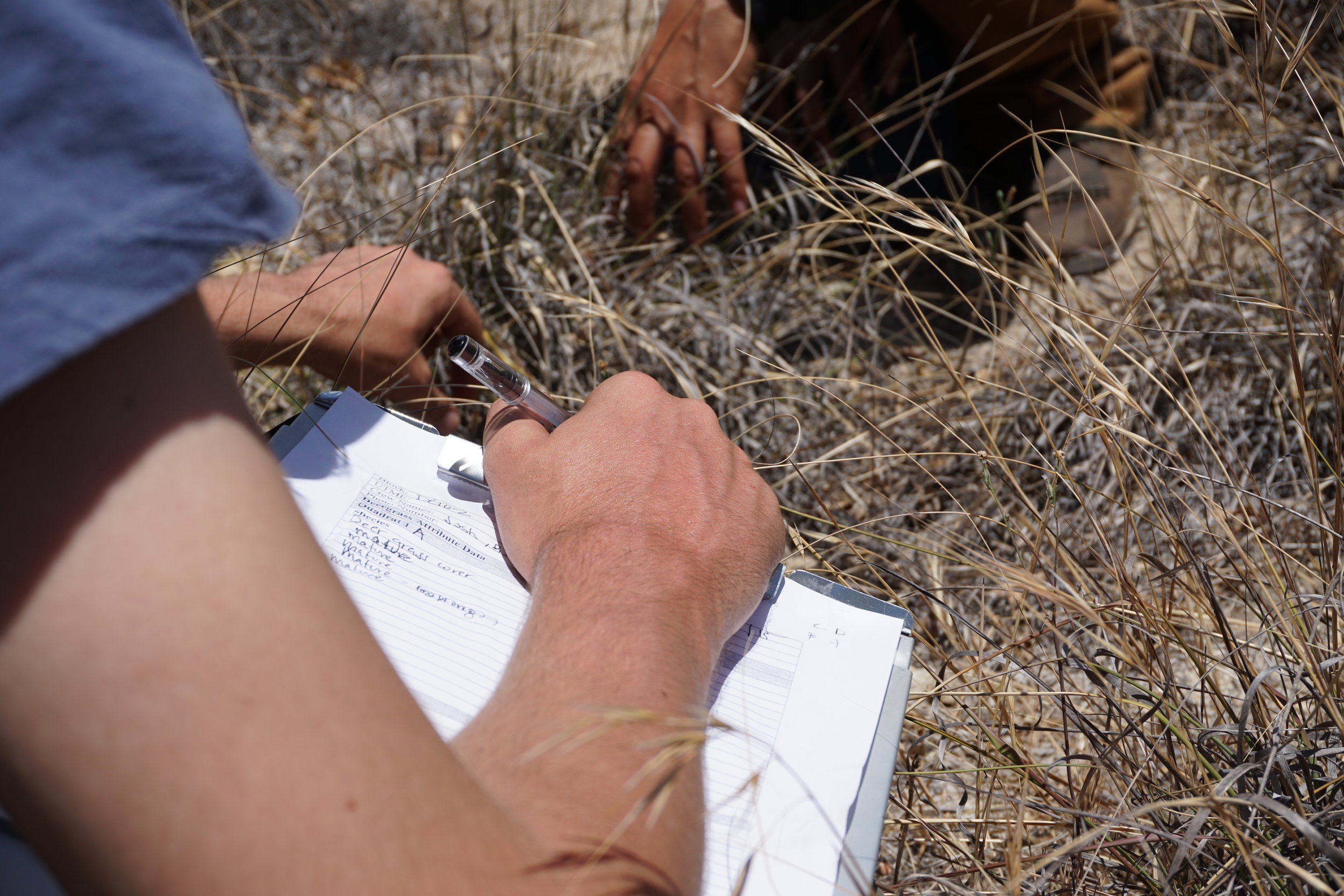
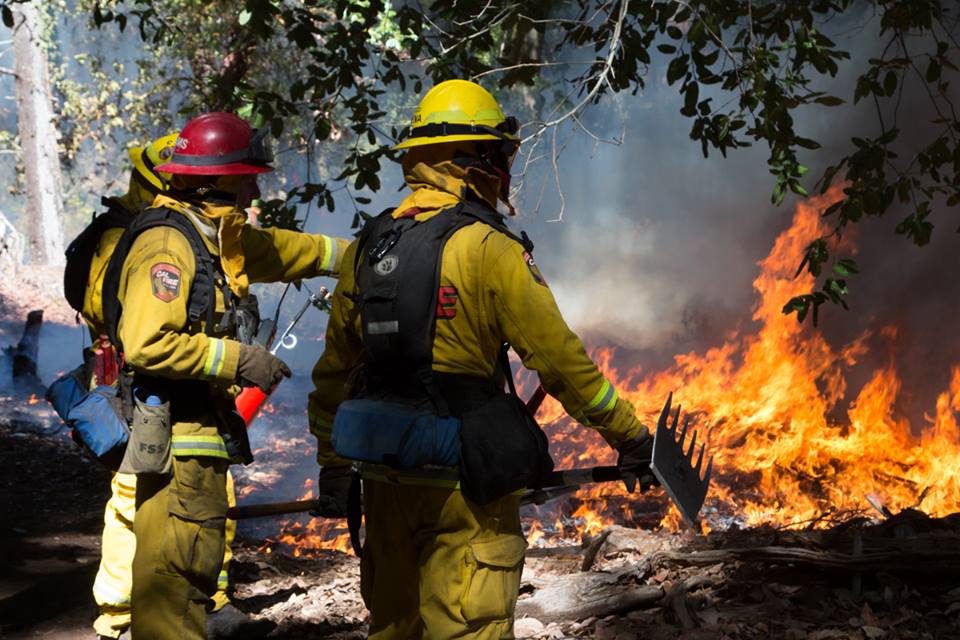
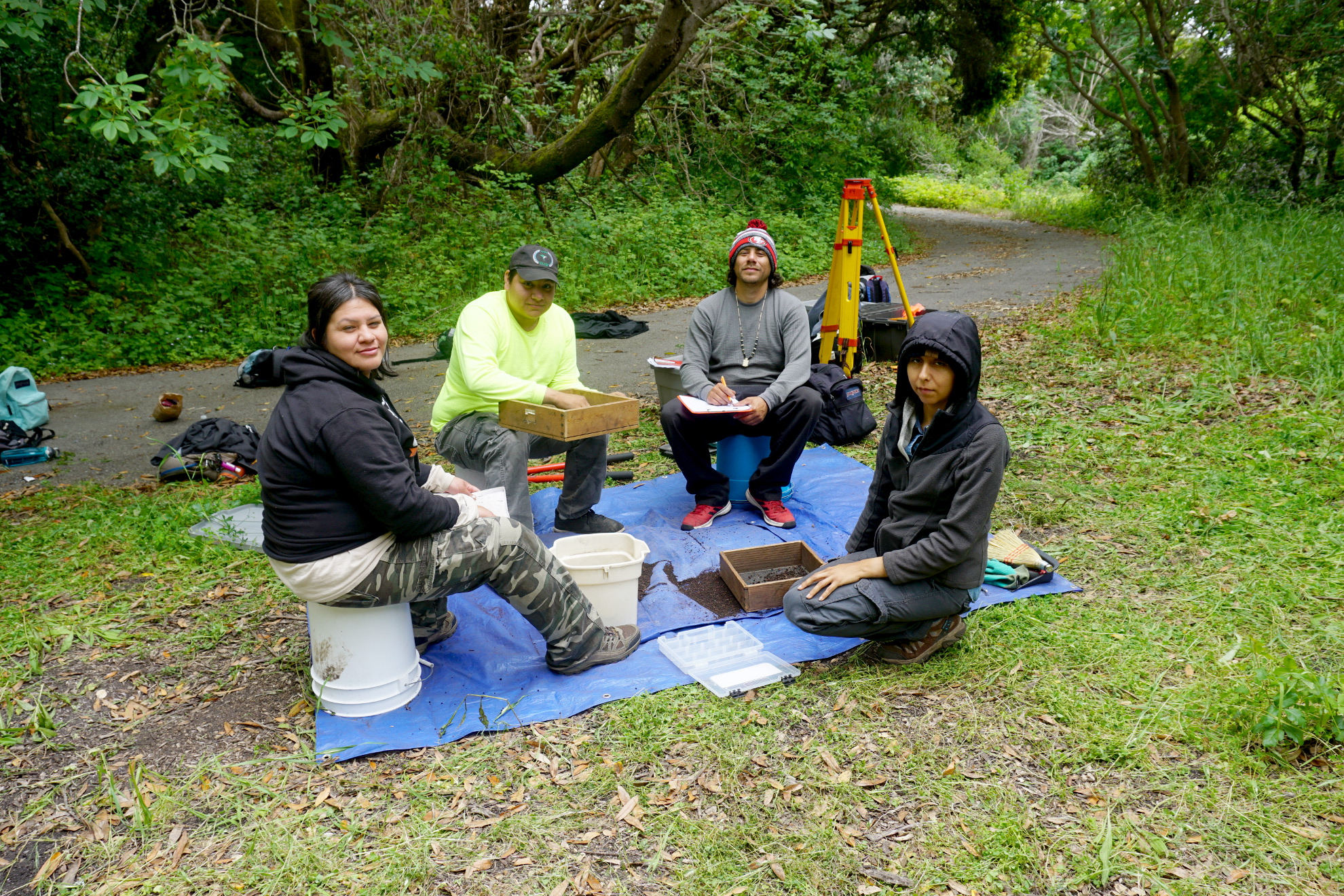
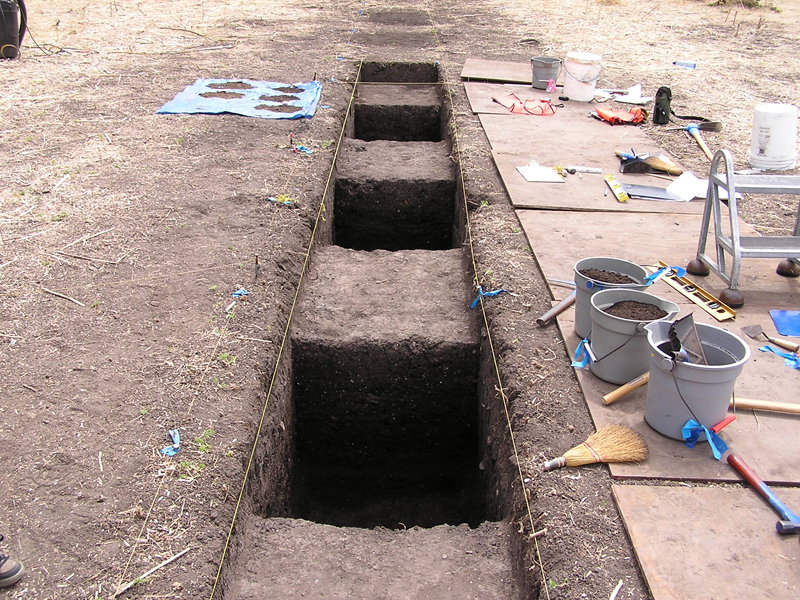
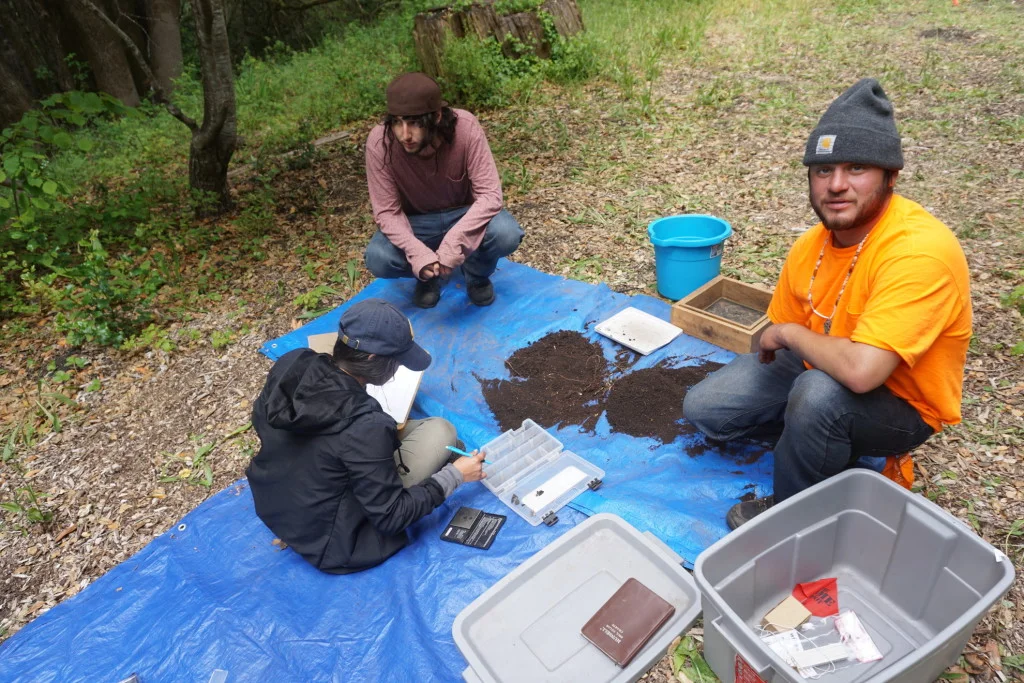
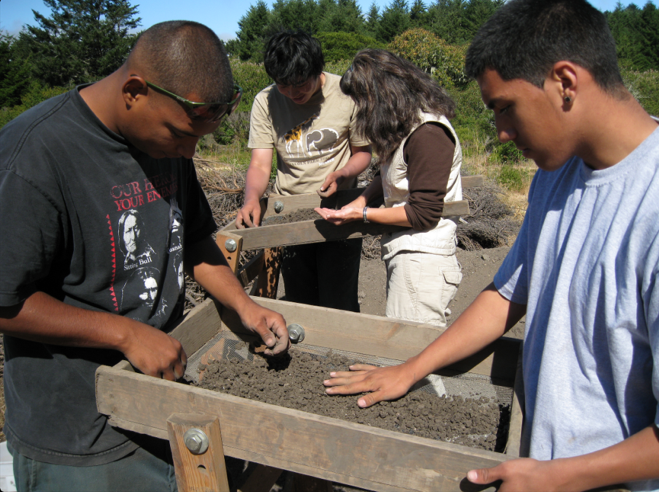

When the Vistra battery storage facility in Moss Landing caught fire on January 16 (and again on February 18), the AMLT Native Stewardship Corps and staff joined a coalition of local scientists to respond to the potential threats to sea life and environment. The fire burned for 3 days with a plume of smoke settling directly on "Locuyusta" (Elkhorn Slough), leaving behind a layer of ash leaden with heavy metals which canvassed the estuary habitats. While the source of these metals is clear, their impact on the ecosystem is a continued concern. The stewards began gathering data from invertebrate animals at Locuyusta to help determine if the metals are moving through the food chain. Traps were set for crabs, we dug for clams, and collected mussels for survey. The animals were then brought back to Moss Landing Marine Labs where they were tested.
A battery fire of this magnitude is unprecedented. Due to AMLT's structure and training, stewards are equipped with skills and training needed for a rapid response to such a crisis. We have provided an important link to teams from the Elkhorn Slough Reserve and San Jose State University who are tracking the metals in soil, water, and plants.
By leading these surveys along with our oyster restoration and archaeological monitoring projects, Amah Mutsun stewards provide unique cultural perspectives in the Slough’s management planning initiatives and we are proud to be an integral part of this very important work!
For more information and reference, please see the following articles and scientific publishing:
Coastal Wetland Deposition of Cathode Metals from the World’s Largest Lithium-Ion Battery Fire (Scientific Reports)
Toxic Metals in Elkhorn Slough After Battery Fire, 'Protect Salinas Renters' Investigation Concludes (KAZU)
EMBER Research Group
Moss Landing Battery Fire (Elkhorn Slough)
Vistra Battery Fire
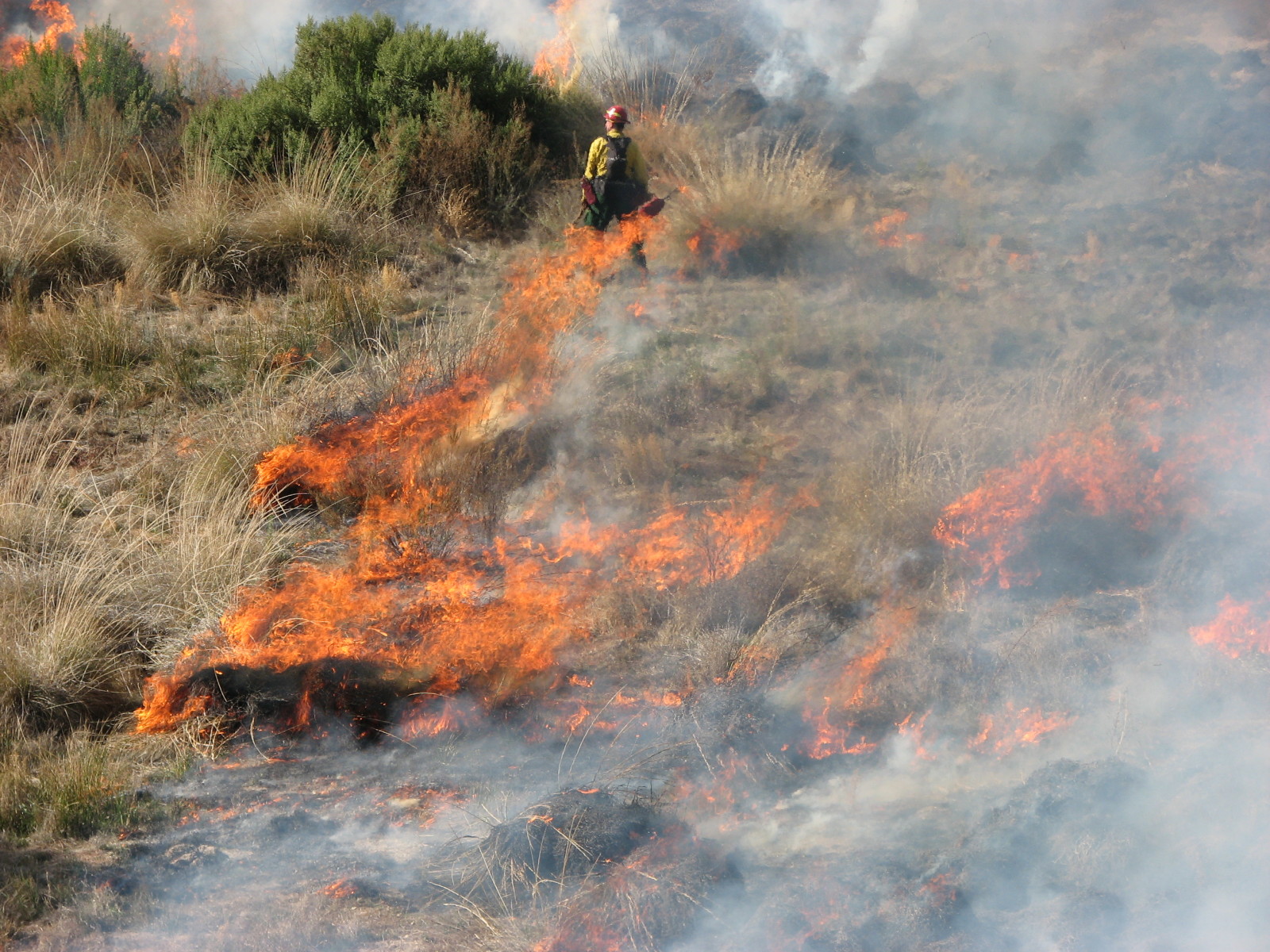
The Amah Mutsun Tribal Band has a Memorandum of Understanding that formalizes the importance of cooperating with the Amah Mutsun on matters of cultural resource stewardship within the National park boundaries. The park and the tribe have a productive history of cooperative research and restoration of culturally significant species, particularly basket-weaving plants and edible grassland plants. In 2011 project partners implemented an experimental burn in a native deergrass meadow that was the first burn to improve Native American cultural resources since the mission period in Amah Mutsun territory. The Amah Mutsun consult with Pinnacles on interpretation of California Indian history and culture, the significance of the endangered California condor, and the management and restoration of culturally significant species.
Pinnacles National Park
Midpeninsula regional Open Space District (MROSD) manages over 60,000 acres in 26 open space preserves in San Mateo, Santa Cruz, and Santa Clara counties. These lands include Mt. Umunhum—the site of the Amah Mutsun creation story—plus over 150 plant species that are important in the Amah Mutsun ethnobotany.
The Amah Mutsun Land Trust has been conducting research since 2014 to locate populations of culturally significant native plants in a selection of open space preserves and assess population phenology and resource condition. This information will be used to create a map of the most important cultural resource locations, provide information about best times to gather, and make recommendations for the management of these species. Managers at MROSD work with the AMLT to make sure that these sacred sites and resources are honored, protected, and accessible for Tribal relearning and ceremony. Every year Tribal members and AMLT research associates make trips to MROSD in multiple seasons to locate and monitor culturally significant plant species.
Midpeninsula Regional Open Space District
In partnership with the Amah Mutsun Tribal Band and UC Berkeley, the Amah Mutsun Land Trust is transcribing and translating large portions of the 78,000 pages of field notes written by ethnographer John P. Harrington in the 1920s and ‘30s. Containing Mutsun language, ethnobotany, stories, Tribal history, and more, the notes represent a vast collection of conversations with Tribal elders, including culture-bearer Ascension Solorsano. In the 2015 project year alone, Mutsun Tribal members and UC Berkeley students transcribed approximately 9,000 pages of notes into digital format for use and interpretation by the Tribe. In 2017, this work culminated in production of the first print volume containing four issues of Mutsun Ways, a periodical designed to disseminate the results of Harrington Notes research to AMTB tribal members.
Harrington Notes Transcription and Translation Project
For more information about any of the projects mentioned, or to request a list of all current and completed projects, please reach out to the AMLT team via email to info@amlt.org.